
5 Tips for Investing in Cryptocurrency in 2026 (Before You Buy)
- 5 tips for investing in cryptocurrencies — how to research coins, manage risk, and avoid the most common beginner mistakes

Cryptocurrency investing has created enormous wealth for early adopters, and wiped out fortunes for people who ignored the basics. The difference between the two usually comes down to a few fundamental principles that most new investors skip in their excitement to buy.
–:–
These five tips for investing in crypto won't guarantee profits. Nothing will. But they'll keep you from making the most common, and most expensive, mistakes.
5 Essential Tips for Investing in Cryptocurrency in 2026
1. Only Invest What You Can Afford to Lose Entirely
Crypto is a high-risk, high-volatility asset class. Bitcoin has dropped 80%+ from its highs multiple times in its history. Ethereum has followed similar patterns. If your crypto position went to zero tomorrow, would it derail your life? If yes, your position is too large. Most experienced investors keep crypto at 5–10% of their portfolio maximum, never money they need for rent, emergencies, or retirement.
2. Stick to Bitcoin and Ethereum First
Of the thousands of cryptocurrencies in existence, the vast majority are either speculative at best or outright scams at worst. Bitcoin and Ethereum have real infrastructure, institutional adoption, and years of proven market cycles. Start there. Once you understand how crypto markets work, the volatility, the cycles, the security requirements, then research alternatives with money you can afford to lose. See the complete crypto beginners guide.
3. Secure Your Holdings, Not Your Keys, Not Your Coins
Keeping crypto on an exchange means trusting the exchange not to get hacked, go bankrupt, or freeze withdrawals. All three have happened to major exchanges. If you hold meaningful crypto, move it to a hardware wallet, a physical device that stores your private keys offline. The Ledger Nano X (check current pricing) is the most widely used option. Self-custody isn't optional for serious crypto holdings, it's essential.
4. Dollar-Cost Average, Don't Try to Time the Market
Nobody consistently times crypto markets correctly, not retail investors, not professional traders, not hedge funds. Dollar-cost averaging (buying a fixed amount on a regular schedule regardless of price) removes the need to pick the right moment. You buy high sometimes and low sometimes. Over time, your average cost tends to be reasonable, and you avoid the emotional disaster of trying to time every move.
5. Understand the Tax Rules Before You Sell
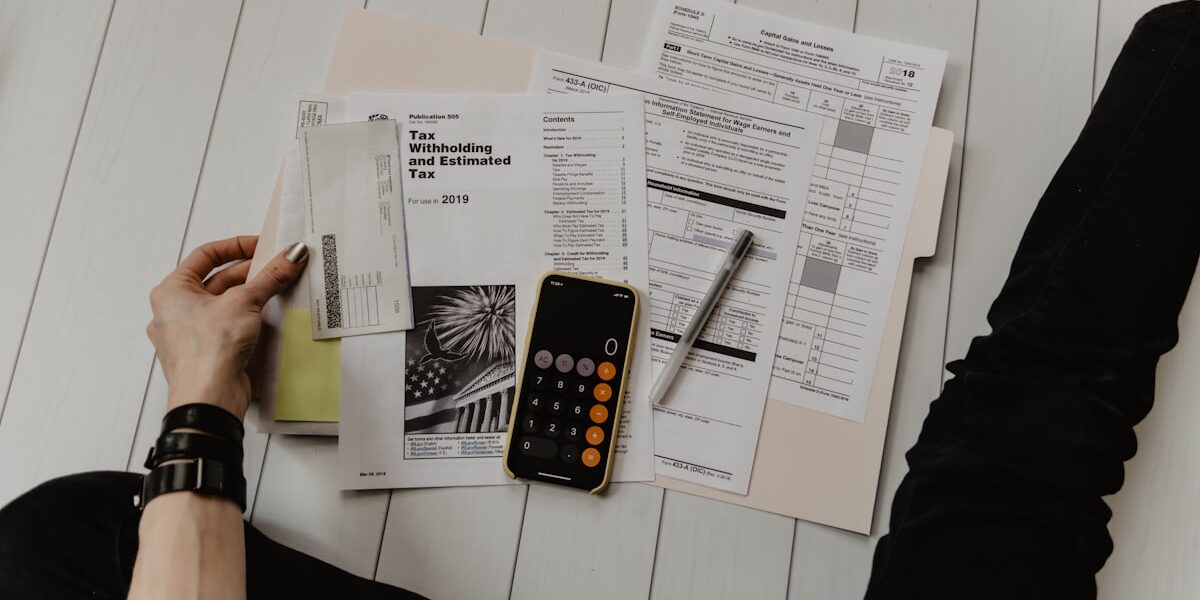
Crypto gains are taxed as capital gains in the US. Short-term gains (held less than a year) are taxed at ordinary income rates, as high as 37%. Long-term gains (held over a year) are taxed at 0%, 15%, or 20% depending on your income. Every trade, swap, and purchase made with crypto is a taxable event. Track everything from day one using a crypto tax tool or spreadsheet, because the IRS absolutely expects you to report it.
The Bottom Line on Crypto Investing
Cryptocurrency can be part of a diversified investment strategy, but it's high risk and shouldn't be the foundation of anyone's wealth building plan. Build your core portfolio first: index funds and ETFs in tax-advantaged accounts. Then, if you want crypto exposure, add a small position with money you can afford to lose completely. That's the framework that protects you when crypto markets inevitably do what they always do, crash hard before the next cycle.
The Wealth Building Spreadsheet Pack helps you track how crypto fits into a real, diversified long-term plan.
Crypto Mistakes That Cost People the Most
Most crypto losses don't come from the market moving against someone, they come from unforced errors that have nothing to do with price.
- Leaving coins on an exchange long-term. Exchanges get hacked, freeze withdrawals, or go under, and history is full of examples. If you're holding for more than a trade, move it to a wallet you actually control.
- Chasing a coin because it's already up 300%. By the time a coin is trending everywhere, the early move is usually over. Buying the hype instead of the fundamentals is how most people end up holding the top.
- Ignoring taxes until it's too late. Every trade, swap, or sale is a taxable event in the U.S. Keep records as you go, not at tax time, when reconstructing a year of trades becomes a nightmare.
- Putting rent money into a volatile asset. Crypto can drop 50% in weeks. Money you need in the next year or two has no business in this part of a portfolio.
None of this is a reason to avoid crypto entirely. It's a reason to treat it like the high-risk, high-volatility asset it actually is, sized appropriately next to the boring index funds doing the real work of building wealth.
What's your biggest worry about crypto right now? Tell us in the comments.
Disclosure: This post contains affiliate links. We may earn a commission at no extra cost to you.
Bobby writes about investing, real estate, and building real wealth — no fluff, no hype. He is also the author of Real Estate Investing for Beginners, available on Amazon.
You finished: 5 Tips for Investing in Cryptocurrency in 2026 (Before You Buy)
- 5 tips for investing in cryptocurrencies — how to research coins, manage risk, and avoid the most common beginner mistakes.
Enter your email and get instant access to the free 5-step guide, the exact system to start building wealth this week, even with $100.
- ✅ The simple 3-fund ETF framework many long-term investors use
- ✅ Your 30-day wealth action plan
- ✅ The 5 money mistakes that can quietly slow long-term wealth
🔒 Free forever. No spam. Unsubscribe anytime.